

SEAF in Cockburn Sound
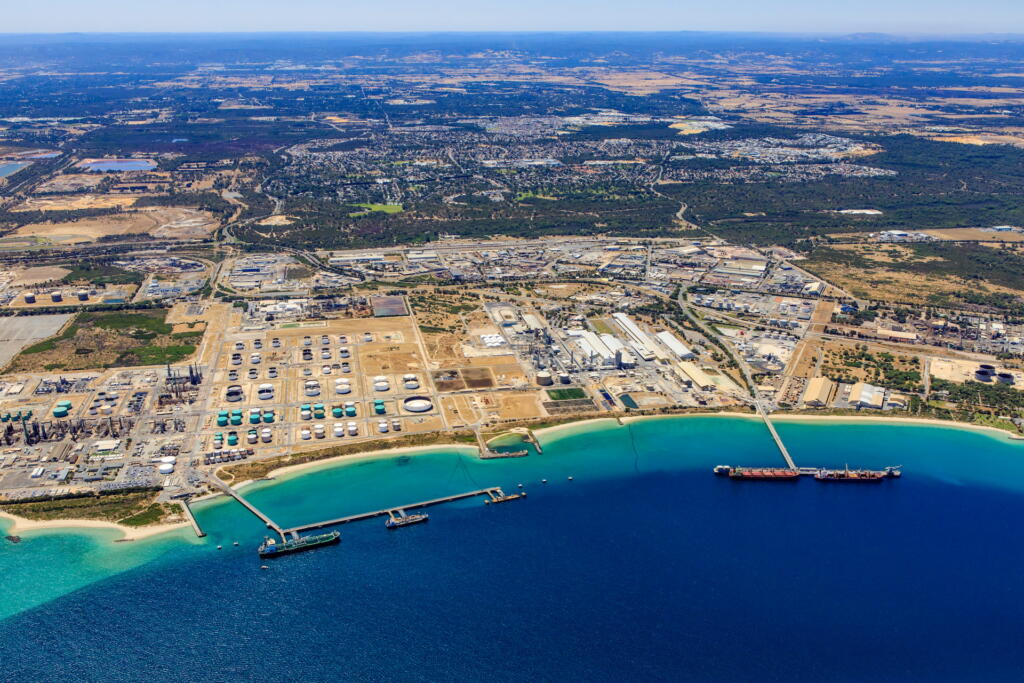
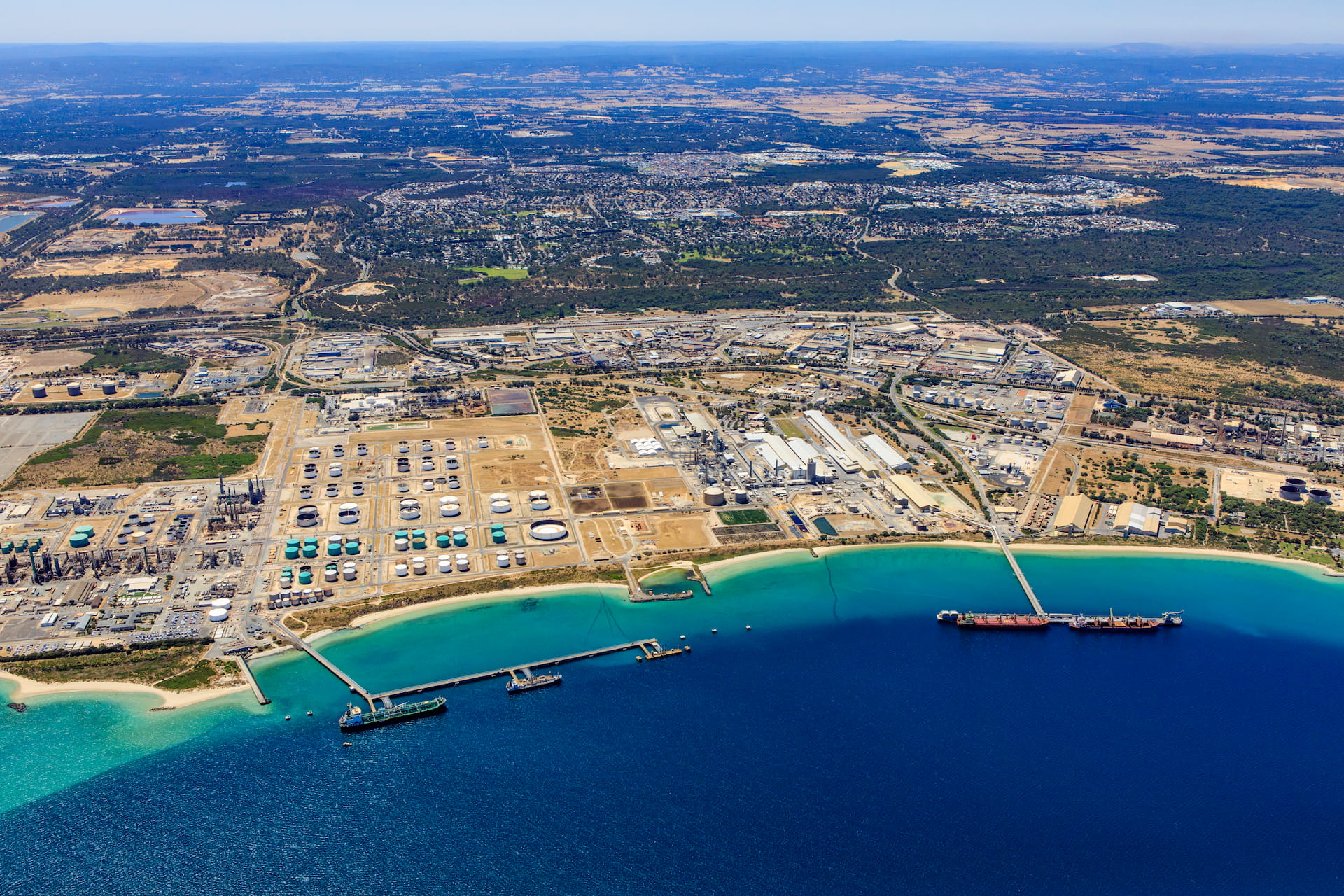
Cockburn Sound is one of Western Australia’s most important urban marine environments and one of two pilot regions for the Shared Environmental Analytic Facility (SEAF), alongside the Pilbara.
It supports major industry, trade and essential water services, and is highly valued for recreation, tourism and its cultural significance to Traditional Owners. These environmental, social and economic values are increasingly under pressure from climate change, industrial activity and population growth.
SEAF helps ensure decisions about Cockburn Sound’s future are informed by the best available data and modelling. Developed by WAMSI and WABSI, it provides a shared, trusted mechanism for interpreting environmental data and delivering consistent, transparent, science-based insights for government, regulators, industry, researchers, Traditional Owners and the community.
Cockburn Sound is a priority region because multiple industries, environmental pressures and community interests converge here. By bringing together data, models and cross-sector expertise, SEAF strengthens environmental assessment and supports long-term stewardship of this highly valued system.
This shift toward collaborative, data-driven decision-making enables:
- Better visibility of cumulative impacts across industries
- More efficient and transparent environmental assessments
- Stronger alignment between science, policy and community expectations
- A more robust foundation for long-term stewardship
Science Enabled Decisions
SEAF is strengthening environmental decision-making in Cockburn Sound by creating a shared, science-based understanding of how the system functions and responds to change. By integrating common data sources, validated models and collaborative analytics, it improves visibility of environmental trends and supports transparent, long-term decision-making across industry, government and community.
In its initial phase, the Cockburn Sound “spoke” is delivering hydrodynamic and sediment transport models, integrated biogeochemical and ecological models, and key inputs to the Driving forces, Pressures, States, Impacts, Responses (DPSIR) reporting framework. Together, these tools give decision-makers a clearer view of system pressures and their effects on water quality, ecological health and cumulative impacts.
As SEAF evolves, the Cockburn Sound spoke will expand into region-specific assessments built on shared data and validated models. Planned outputs may include:
- Continuous improvement of hydrodynamic and sediment transport models and integrated biogeochemical and ecological models
- A single point of reference to support industry operations and sustainable growth
- An industrial-area groundwater model
- Terrestrial emissions models and mapping
- Dynamic updates to the DPSIR framework
These developments will improve cumulative impact assessment, increase regulatory efficiency and support transparent, science-based environmental governance.
WAMSI Westport Marine Science Program
The WAMSI Westport Marine Science Program has generated the most comprehensive body of scientific knowledge assembled for Cockburn Sound, providing critical insight into its physical, ecological and biogeochemical processes. This work underpins understanding of how future port development and associated activities may affect the marine environment.
SEAF builds on this foundation by integrating WAMSI’s research with shared data and validated models into a single, collaborative platform. Together, they enable consistent, evidence-based decision-making and support regulators, industry and government to assess impacts, plan sustainably and manage the Sound over the long term

Data
Real projects. Real results. See how organisations use SEAF intelligence to drive decisive action. A plan for the WWMSP data to be made publicly available on Data WA is currently underway
Cockburn Sound Integrated Ecosystem Model
The Cockburn Sound Integrated Ecosystem Model (CSIEM), developed through the WAMSI Westport Marine Science Program, is a comprehensive modelling platform that integrates hydrodynamic, biogeochemical and ecological processes to provide a system-wide understanding of how Cockburn Sound functions.
CSIEM brings together:
- Historical datasets and new scientific research
- Physical processes such as circulation, temperature and sediment transport
- Biogeochemical cycles including nutrients, oxygen dynamics and water quality
- Ecological components such as plankton, seagrass and key fauna
This integrated approach allows users to assess how pressures – including climate change, nutrient inputs, dredging and industrial activity – influence environmental condition. It also supports scenario testing, helping regulators and proponents understand potential impacts before they occur.
CSIEM feeds directly into SEAF by providing validated, region-specific models for cumulative impact assessment, forecasting and environmental reporting.