
A collective effort is helping to translate environmental data into timely information for streamlined decisions.
Pilot projects are underway in Western Australia, in the Pilbara and Cockburn Sound, to test a new mechanism for interpreting environmental information that will create access to shared data and analytics for proponents, regulators and the community. The Shared Environmental Analytics Framework (SEAF) is a multi-sector initiative led by WAMSI and WABSI.
Supported by partners across Australia and globally, including leading research institutions, government agencies and industry experts, SEAF draws data for use in predictive models and custom-built analytics – building a trusted data supply chain – and turning data into practical, useable information and forecasting tools, ensuring robust, science-based insights to enable environmental impact assessments and decisions.
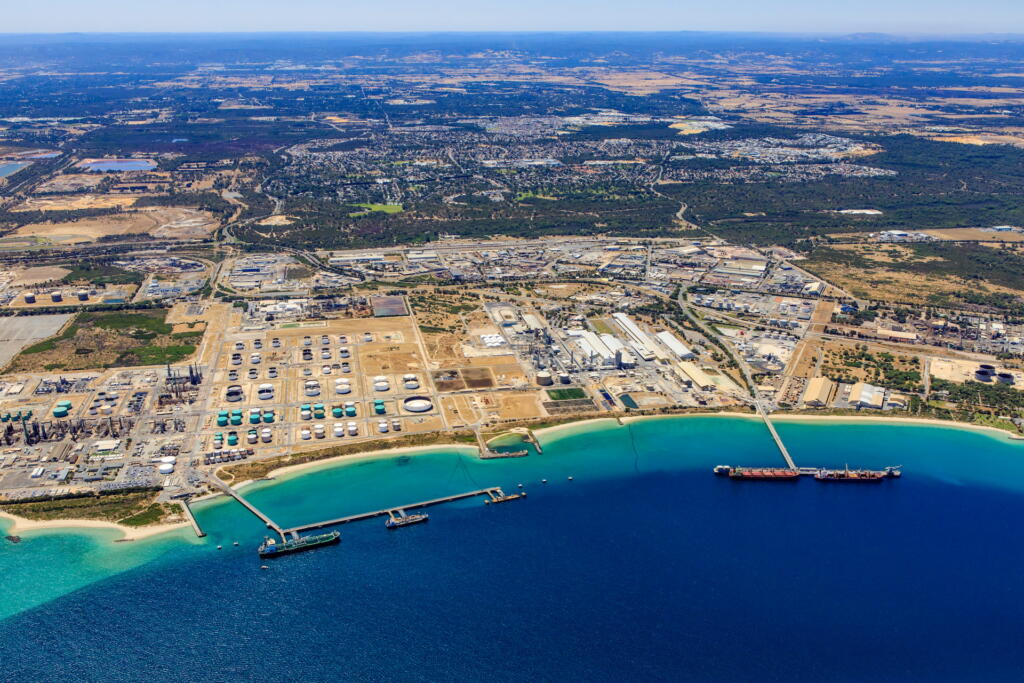
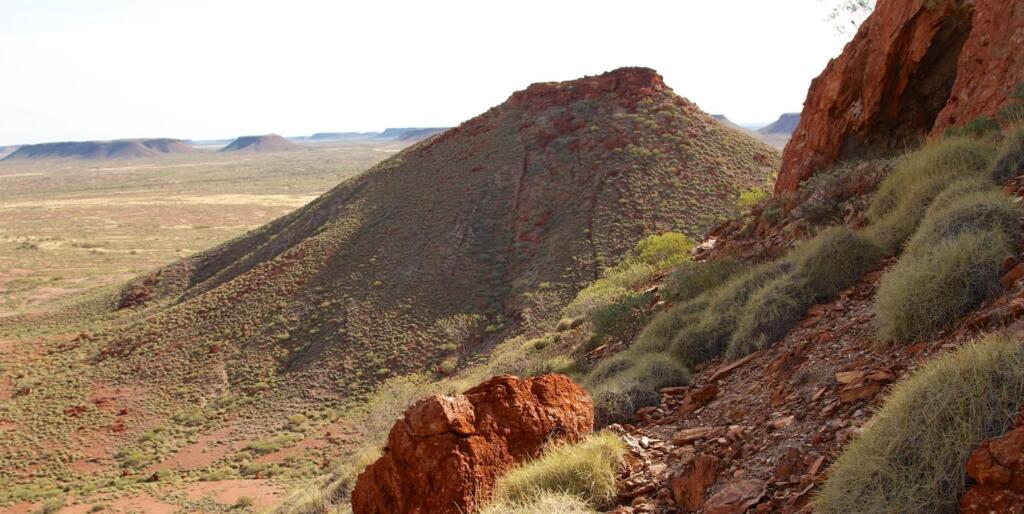
In Cockburn Sound, SEAF is collecting environmental data generated from scientific research to develop regionally specific information products, like hydrodynamic and sediment transport maps, ecological models, and reports and forecasting tools. The pilot in the Pilbara is working to deliver integrated groundwater datasets to improve catchment-scale understanding of groundwater movement.
What is SEAF? Watch the video to find out more.